
Malabar Parotta: The Flaky, Layered Bread That Steals the Table

Some dishes arrive quietly. Malabar parotta does not.
It announces itself at the tawa: dough slapped against steel, stretched until almost translucent, coiled into a spiral, then pressed and cooked until the layers blister and shine. When it lands on the table, someone usually tears it open first — not out of impatience, exactly, but because flaky bread like this invites hands.
This is not a soft North Indian roti. It is laminated, layered, slightly rebellious street-food craft from the Malabar coast, loved across Kerala and Tamil Nadu, and impossible to confuse with anything else once you have had a good one.
What makes a parotta a parotta
At its best, Malabar parotta has contrast in every bite. The outside should catch a little crispness from the griddle. The inside should pull apart in soft, buttery sheets. Tear it and you should see layers — not a single flat disc, but architecture.
That texture comes from technique more than mystery ingredients. Flour, water, salt, a little fat or oil, and time to rest. The dough is worked until elastic, then stretched thin, folded or coiled so fat sits between sheets, and cooked hot. Heat creates steam. Steam creates lift. Lift creates those famous flakes.
Watching one being made is half the pleasure. Eating one is the reason you stayed.
Malabar, street stalls, and late-night hunger
Parotta belongs to the night as much as to lunch. In towns along the coast and inland, it is the bread of tea stalls, busy corners, and post-shift dinners: stacked high, torn by hand, dipped without ceremony.
It travels well across South India because it is generous. One parotta can handle a fierce curry. Two can settle an argument about who is still hungry.
What to eat it with
Parotta is a vehicle, and a very good one.
Classic partners include:
• Spicy beef fry or peppery meats, where the bread cools the heat
• Vegetable kurma, thick and aromatic, for scooping
• Egg roast or spicy egg curry
• Salna / chalna — a thinner, spiced gravy made for dunking
The ritual is simple. Crush the hot parotta lightly with both hands so the layers open. Tear. Dip. Repeat. Some people insist the crushing is mandatory. They are not wrong.
Not every “parotta” is the same
You may see versions that are thicker, softer, or more bread-like. A true Malabar-style parotta should still feel laminated — stretchy dough, visible layers, a little chew, a little crunch. If it tastes like a plain flatbread with ambition, something important got skipped between the bowl and the tawa.
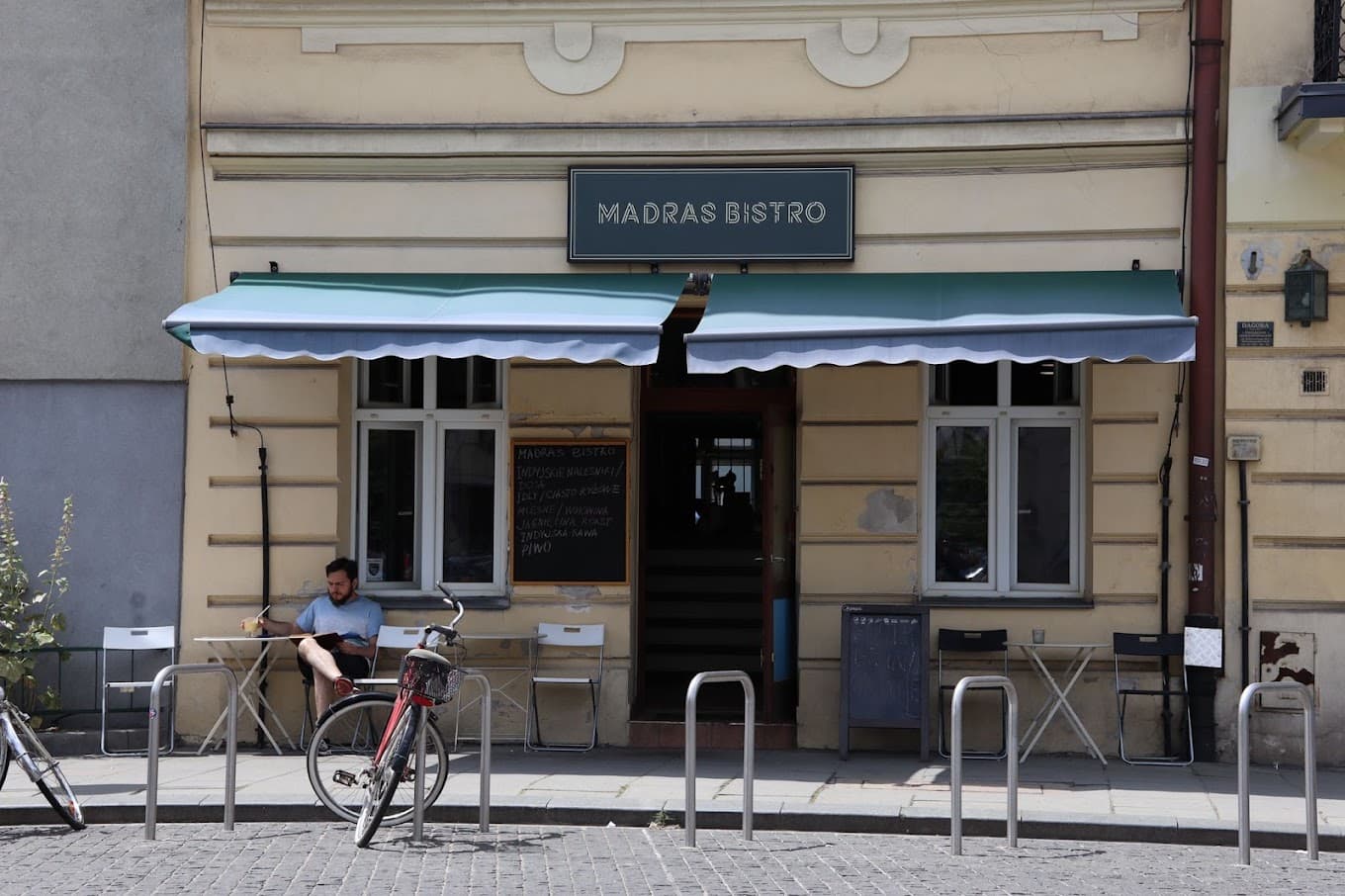
Why we love it at Madras Bistro
Kerala parotta sits right at the heart of what we want to share in Kraków: food with craft you can see, aroma you can follow, and a texture that makes people look up from the table mid-bite.
It is also a perfect introduction to South Indian cooking for anyone who thinks “Indian bread” only means naan. One flaky parotta next to a proper curry usually rewrites that idea quickly.
If you have never tried it, order it when you want something comforting but not quiet — bread with theater, layers, and a little Malabar swagger.
Hungry already? Explore the menu, or book a table and tear into a fresh parotta while it is still warm.